
Building a robust, scalable and compliant manufacturing foundation is essential in regulated medical device manufacturing. At Quvara, our medical device industrialisation teams ensure every design, process and assembly choice is matured early, de-risked thoroughly, and industrialised with precision — so customers reach stable, high quality, cost effective production with confidence.
Our capabilities
When product designs risk becoming costly or difficult to mould, we apply rigorous Design for Manufacture (DFM)
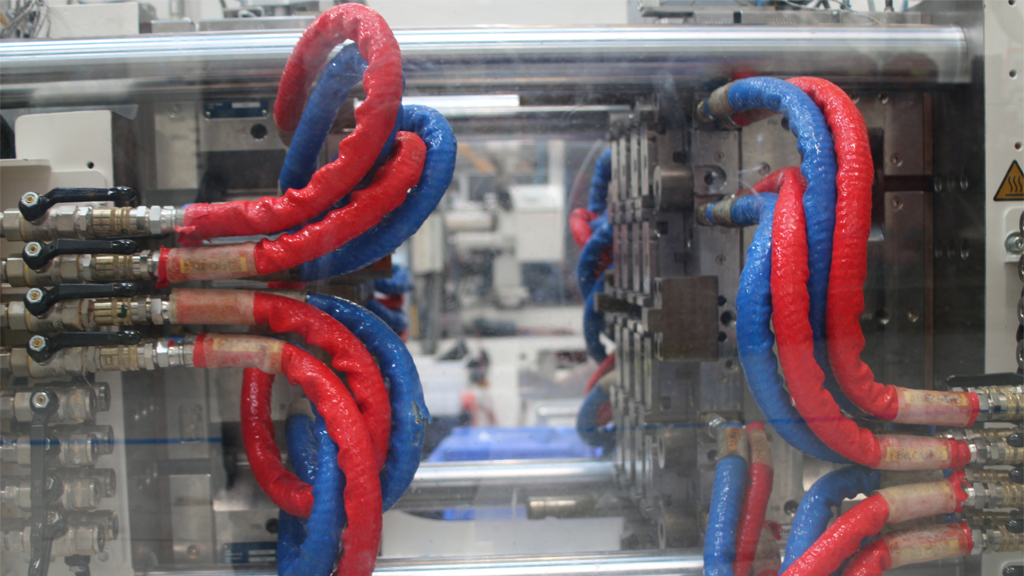
Ensuring a Repeatable Process to Meet Design Requirements
Medical devices often reach late development stages with geometry, tolerances or features that make stable moulding difficult. These issues can lead to tooling rework, dimensional instability or expensive redesign.
To prevent this, we use a highly structured DFM process integrating mould flow simulation, virtual process modelling, tolerance evaluation, inspection readiness, PFMEA workshops and value engineering to optimise both design and cost.
- A design capable of having a stable injection moulding process window
- Correct material choices for performance, cleanliness and sterilisation
- Optimised gating, wall thickness, ribs, draft, ejector points and weld line positioning
- Well balanced geometry that minimises process risk and controls investment
- Scalability across volumes, configurations and production environments
This iterative collaboration strengthens manufacturability while protecting product function – reducing redesign loops, shortening tooling timelines and ensuring successful transfer to production.
When assembly becomes complex or unpredictable, we engineer repeatable, risk-resistant Design for Assembly (DFA)
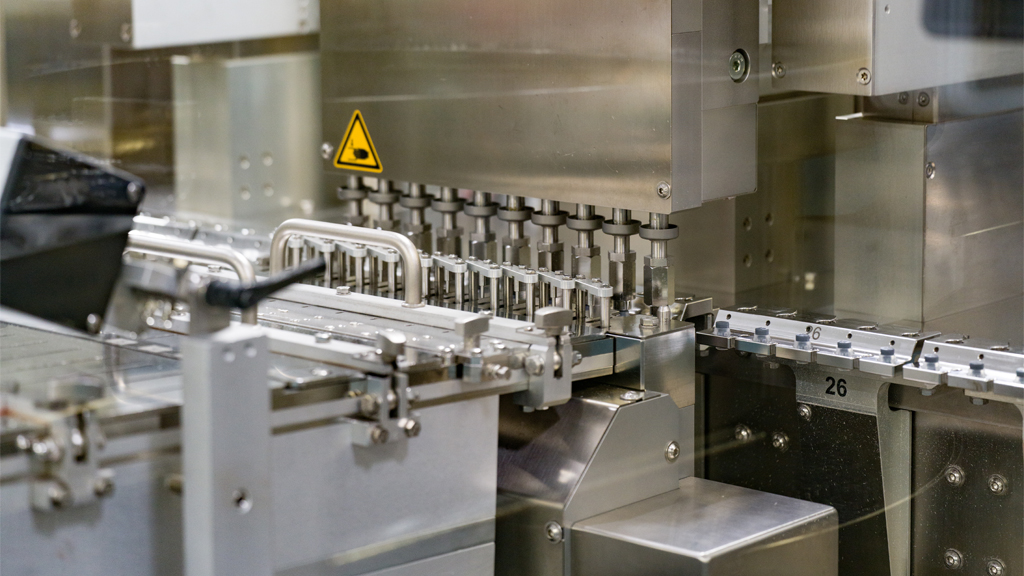
Guaranteed Reliable Assembly
Assembly challenges typically surface when tolerance interactions, unclear sequences or insufficient fixturing lead to variable performance or costly rework.
Quvara’s DFA process brings engineering, tooling and assembly specialists together early to build modular, reliable, repeatable assembly methods aligned with product function and production strategy.
- Select tolerances that support robust assembly and product performance
- Incorporate assembly aiding features into component design
- Assess every step to maximise uptime and reduce human error risk
- Define processes from low volume pilot builds to high volume automation
- Support integrated packaging and labelling
- Create inline testing strategies and simplify validation (IQ/OQ/PQ)
Our DFA targets are clear: fewer steps, lower cost, higher quality, reduced rework and more predictable throughput.
When inspection capability is uncertain, our Design for Inspection (DFI) protects quality and compliance

Inspection Needs Built In from the Start
Without intentional inspection planning, critical features can become difficult or impossible to measure reliably — creating risk, delays and potential noncompliance. Quvara’s DFI process ensures every critical feature can be inspected accurately, repeatably and with minimal off-line measurements.
- Ensuring all critical dimensions, materials and functional features are measurable using validated, nondestructive methods wherever possible
- Leveraging CT scanning, CMM, inline optical systems and force measurement equipment
- Reviewing and optimising datum structures as a foundational step before full drawing assessment
- Using a structured compliance matrix to identify risk areas, challenging features and tolerances difficult to achieve or measure
- Providing early feedback to R&D to refine drawings, tolerances and feature definitions
The outcome is a design that allows reliable, repeatable dimensional and functional measurement in the most efficient manner.
When assembly lines must scale, we design automated, flexible and data-rich assembly process engineering solutions
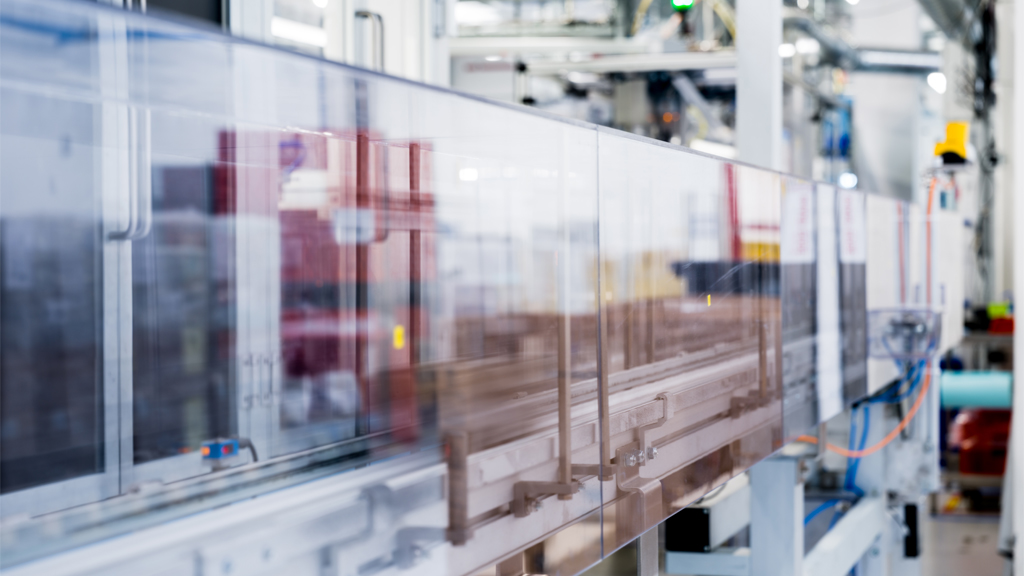
Processes that are Designed to Scale
High volume assembly brings complexity in equipment design, cycle times, in process testing, automation, line balancing and digital controls.
Quvara’s approach spans manual, semiautomated and fully automated systems, incorporating force testing, vision systems, colour sensing, digital analytics and modular pick and place stations.
- Early proof of principle cycles
- User Requirements Specification (URS) definition
- Machine design reviews
- Line balancing and cycle time validation
- Full digital automation and data integration
- In Process Controls (IPC) and Multi-Stage Validation (MSV)
This ensures scalable, data driven and regulation compliant assembly lines that deliver consistent, high quality products.
Why Choose Quvara Industrialisation?
Because Quvara doesn’t simply industrialise designs — we eliminate uncertainty.
We integrate DFM, DFA, DFI, and future scaling into a streamlined process that supports reliable, scalable contract manufacturing. Working closely with our customers, we optimise investment, unit cost and timescales to get things right first time.
The result: predictable launches, stable production, reduced total cost and devices that consistently perform at scale.
- Collaborative working practices supporting client design teams
- Smart manufacturing solutions to complex challenges
- Inspection methods considered early in the design process
- Forward thinking to industrialise for future flexible mix and capacity needs
- Data-rich approach to optimise for repeatable, compliant parts
Need more information on our Industrialisation?
If you are developing, scaling, or manufacturing a regulated medical device, unanswered questions slow everything down.