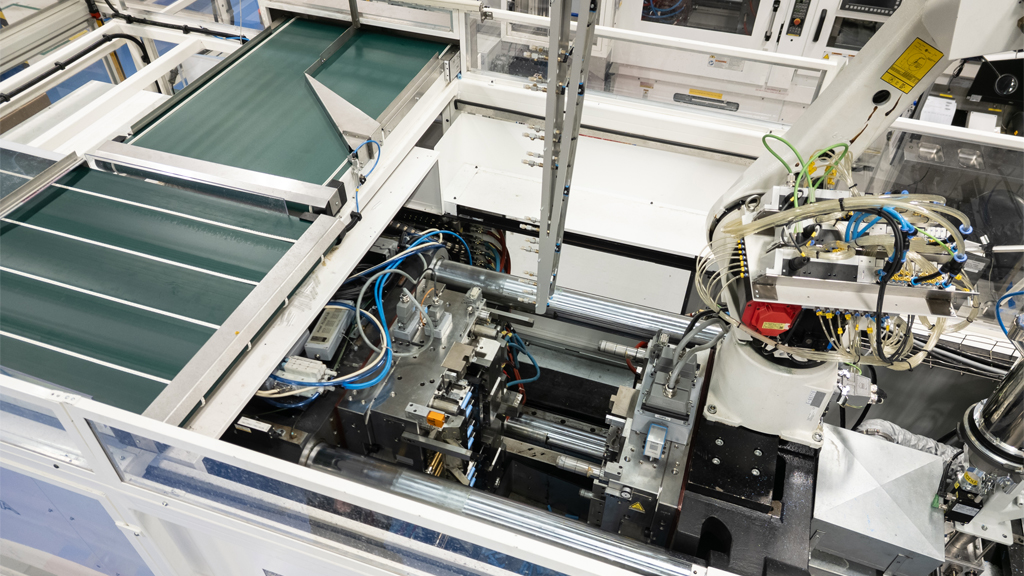
The approach taken was to design and implement a structured, risk-based preventative maintenance system, transforming the site from reactive to proactive operations.
A comprehensive maintenance strategy was established, including:
- Definition of PM frequencies, methods, and resource allocation
- Introduction of asset criticality classifications (A/B/C hierarchy) to prioritise effort based on risk
- Standardisation of maintenance routines and documentation
- Strengthening of operator involvement in basic maintenance activities
A digitally enabled PM scheduling system was implemented to ensure consistency and control, featuring:
- Calendar-based scheduling and automated technician assignment
- Standardised checklists and service records
- Escalation processes for missed maintenance activities
To improve execution and compliance, structured work management systems were introduced:
- Standard Work Instructions
- Maintenance service sheets with full regulatory traceability
- Digital logging of all maintenance activities
Spare parts management was also transformed through:
- Defined minimum and maximum inventory levels
- Consumption tracking and forecasting
- Improved stores control processes and lead-time risk monitoring
A continuous improvement framework was embedded, incorporating:
Operator engagement was enhanced through the introduction of basic autonomous maintenance tasks, enabling early detection of issues and reduction of minor stoppages.